Imagine a world where finding relief from migraines is as easy as sipping on a delicious cocktail. Well, your search might just be over with the “Migraine Cocktail.” This tantalizing blend of carefully selected ingredients holds the promise of easing that pounding headache and bringing you the soothing relief you’ve been longing for. Say goodbye to the debilitating symptoms that often come hand in hand with migraines, and say hello to a refreshing solution that could redefine the way you manage these headaches. Let’s take a closer look at how this unique concoction could be the answer you’ve been waiting for.
What is a Migraine Cocktail?
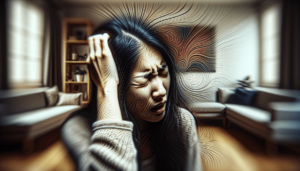
A Migraine Cocktail is a combination of medications and treatments designed to provide fast relief for migraine headaches. It is often used in emergency settings or as a home treatment when immediate relief is needed. Migraine headaches can be debilitating and can cause intense pain, along with other symptoms such as nausea, vomiting, and sensitivity to light and sound. Migraine cocktails aim to provide quick relief by targeting the various symptoms and underlying causes of migraines.
Definition
A migraine cocktail is a customized combination of medications and treatments that are specifically designed to target the symptoms and underlying causes of migraines. The term “cocktail” refers to the combination of different components that work together to provide rapid relief. The specific contents of a migraine cocktail may vary depending on the individual’s symptoms, medical history, and response to previous treatments.
Common Components
The common components of a migraine cocktail may include a combination of medications such as pain relievers, anti-nausea medications, and medications that target the blood vessels in the brain. Intravenous (IV) fluids are often included to help rehydrate the body and alleviate migraine-related dehydration. Antiemetics, which are medications that help reduce nausea and vomiting, may also be included in the cocktail. The specific combination of components may vary depending on the severity of the migraine and the individual’s response to treatment.
Purpose
The purpose of a migraine cocktail is to provide fast relief for the debilitating symptoms of a migraine headache. Migraines can be extremely painful and disabling, and they can significantly impact an individual’s quality of life. Traditional over-the-counter pain relievers may not provide sufficient relief for severe migraines, which is where a migraine cocktail comes in. By combining different medications and treatments, a migraine cocktail aims to address multiple aspects of a migraine attack, providing relief for pain, nausea, vomiting, and other associated symptoms.
Effectiveness of Migraine Cocktails
The effectiveness of migraine cocktails in providing relief for migraine headaches has been supported by both research studies and patient experiences.
Research Studies
Several research studies have examined the effectiveness of migraine cocktails in emergency settings. These studies have shown that migraine cocktails can provide rapid relief for migraine symptoms, with many patients experiencing significant improvement within hours of administration. The specific medications and treatments included in a migraine cocktail may vary depending on the study, but the overall results have been promising.
Patient Experiences
Countless individuals with migraines have reported positive experiences with migraine cocktails. Many have found that the combination of medications and treatments provided in a cocktail provides faster and more effective relief than traditional pain relievers alone. Patients often describe feeling relief from pain, nausea, and other symptoms shortly after receiving a cocktail, allowing them to resume their daily activities and improve their overall quality of life.
Common Components of Migraine Cocktails
Migraine cocktails typically consist of a combination of medications, IV fluids, and antiemetics.
Medications
Medications commonly included in migraine cocktails may include nonsteroidal anti-inflammatory drugs (NSAIDs) such as ibuprofen or naproxen, as well as triptans, which are a class of medications specifically designed to target migraines. Additionally, migraine cocktails may include medications like metoclopramide, a dopamine receptor antagonist that helps alleviate nausea and vomiting.
Intravenous Fluids
IV fluids are often included in migraine cocktails to help rehydrate the body. Migraines can cause dehydration, which can worsen symptoms and prolong the duration of the headache. By providing IV fluids, the body can quickly rehydrate, potentially alleviating the severity and duration of the migraine.
Antiemetics
Antiemetics are medications that help reduce nausea and vomiting. They are commonly included in migraine cocktails to address the gastrointestinal symptoms that often accompany migraines. Antiemetics work by blocking specific receptors in the brain that are responsible for triggering nausea and vomiting, providing relief to individuals experiencing these symptoms during a migraine episode.
Administration of Migraine Cocktails
Migraine cocktails can be administered in both emergency room settings and as a home treatment.
Emergency Room Settings
In an emergency room setting, healthcare providers will assess the severity of the migraine and determine the appropriate treatment. Migraine cocktails can be administered intravenously, allowing the medications and fluids to enter the bloodstream quickly and provide rapid relief. This can be particularly beneficial for severe migraines that require immediate attention.
Home Treatment
For individuals who have experienced migraines in the past and have been prescribed a migraine cocktail by their healthcare provider, home treatment may be an option. This typically involves self-administration of the medications and treatments that make up the cocktail. It is important to follow the instructions provided by a healthcare professional and to seek medical attention if the symptoms persist or worsen.
Potential Side Effects and Complications
While migraine cocktails can provide effective relief for migraine headaches, there are potential side effects and complications to be aware of.
Short-Term Side Effects
Short-term side effects of migraine cocktails may include drowsiness, dizziness, dry mouth, and changes in blood pressure. These side effects are usually temporary and subside as the medications wear off. However, if side effects persist or worsen, it is important to seek medical attention.
Long-Term Risks
Long-term use of certain medications included in migraine cocktails, such as NSAIDs, may be associated with increased risks of gastrointestinal bleeding and kidney damage. It is important for individuals to discuss potential risks and benefits with their healthcare provider when considering long-term use of migraine cocktails.
Alternatives to Migraine Cocktails
While migraine cocktails can be effective, there are alternative approaches to consider.
Non-Medication Approaches
Non-medication approaches to managing migraines may include lifestyle changes, such as identifying triggers and avoiding them, practicing relaxation techniques, and using cold or hot packs to alleviate pain. Some individuals may find relief through alternative therapies, such as acupuncture or biofeedback.
Preventive Medications
For individuals who experience frequent migraines, preventive medications may be prescribed. These medications are taken regularly to reduce the frequency and severity of migraines. Preventive medications can include beta-blockers, antidepressants, and anti-seizure medications. It is important to work with a healthcare provider to find the most appropriate and effective preventive medication for each individual.
Tips for Managing Migraine Episodes
In addition to migraine cocktails and alternative approaches, there are several tips that can help manage migraine episodes.
Identifying Triggers
Keeping a migraine diary can help identify triggers that may be contributing to the occurrence of migraines. Common triggers can include certain foods, hormonal changes, stress, changes in sleep patterns, and environmental factors. By identifying triggers, individuals can take steps to avoid or minimize their exposure and potentially reduce the frequency of migraines.
Lifestyle Changes
Maintaining a regular sleep schedule, managing stress levels, and incorporating regular exercise into daily routines can help manage migraines. Additionally, practicing relaxation techniques such as deep breathing or meditation can be beneficial in reducing the frequency and severity of migraines.
Stress Management Techniques
Stress is a common trigger for migraines, so learning effective stress management techniques can help reduce the occurrence of migraines. This can include activities such as yoga, mindfulness, or engaging in hobbies that promote relaxation and enjoyment.
Risks and Precautions
There are certain risks and precautions to consider when it comes to using migraine cocktails.
Pre-existing Conditions
Individuals with certain pre-existing conditions, such as liver or kidney disease, may need to exercise caution when using migraine cocktails. Certain medications included in the cocktail may not be suitable for individuals with these conditions, and alternative treatments may need to be explored.
Medication Interactions
It is important to consult with a healthcare provider before starting a migraine cocktail, especially if you are currently taking any other medications. Some medications may interact with the components of the cocktail, potentially leading to adverse effects. It is essential to disclose all current medications, including over-the-counter medications and supplements, to your healthcare provider to ensure a safe and effective treatment plan.
Seeking Medical Assistance
Knowing when to seek medical assistance for migraines is crucial for effective management.
When to Consult a Healthcare Provider
If migraine headaches are significantly impacting your quality of life, it is important to consult with a healthcare provider. They can help assess the severity and frequency of your migraines and develop an appropriate treatment plan. Additionally, if your symptoms suddenly change or worsen, it is important to seek medical attention to rule out any other underlying conditions.
Emergency Situations
In some cases, migraines can be accompanied by severe symptoms that require immediate medical attention. These can include sudden and severe headache, confusion, slurred speech, weakness or numbness on one side of the body, and vision changes. If you experience any of these symptoms, it is important to seek emergency medical care.
Conclusion
Migraine cocktails offer a promising approach to managing and relieving the symptoms of migraine headaches. While they may not be suitable for everyone and come with potential risks, their effectiveness has been supported by research studies and patient experiences. The individualized approach to treatment, including the customization of medications and treatments, allows for a targeted approach to address the diverse symptoms and underlying causes of migraines. However, it is important to work closely with a healthcare provider to determine the most appropriate treatment plan for your specific needs, taking into account any pre-existing conditions and potential risks. By exploring the various options available, such as non-medication approaches and preventive medications, individuals can find a comprehensive and personalized approach to managing their migraines. Remember to consult a healthcare provider when needed and to seek emergency assistance if symptoms worsen or change suddenly. With proper care and management, individuals can find relief and improve their overall quality of life.