Living with migraines can be challenging, but with the right tips, you can find relief and manage your symptoms effectively. In this article, you will discover a range of helpful suggestions to alleviate migraines and prevent them from disrupting your daily life. From lifestyle changes to natural remedies, these tips aim to empower you with the knowledge and tools to navigate the ups and downs of living with migraines. So, whether you’ve been dealing with migraines for years or are just beginning to experience them, this article is here to lend a friendly hand and offer practical advice to improve your well-being.
Identifying Triggers
Keep a migraine diary
Keeping a migraine diary can be an effective tool in identifying the triggers that may be causing your migraines. By recording specific details about each migraine attack, such as the date and time, duration and intensity of pain, accompanying symptoms, and any potential triggers that you can identify, you can start to recognize patterns and pinpoint common triggers.
Identify common triggers
Once you have started keeping a migraine diary, you may begin to notice certain patterns and common triggers that consistently precede your migraine attacks. These triggers can vary from person to person but may include factors such as hormonal changes, certain foods or beverages, bright lights, strong smells, stress, and lack of sleep. By identifying these triggers, you can take proactive measures to avoid or minimize them in your daily life.
Avoid triggers
Once you have identified the common triggers that contribute to your migraines, it is important to take steps to avoid them as much as possible. This may mean making certain lifestyle changes, such as avoiding certain foods or beverages that trigger your migraines, staying away from bright lights or strong smells, and finding ways to manage stress effectively. By making these changes, you can significantly reduce the frequency and severity of your migraines.
Manage stress levels
Stress is a common trigger for migraines, and learning how to effectively manage stress levels can help prevent or minimize migraine attacks. There are various stress management techniques that you can try, such as practicing deep breathing exercises, engaging in regular physical activity, trying mindfulness or meditation, and using stress-reduction techniques like yoga or tai chi. By making stress management a priority in your life, you can reduce the impact of stress on your migraines and improve your overall well-being.
Maintaining a Healthy Lifestyle
Follow a regular sleep schedule
Maintaining a regular sleep schedule is crucial for managing migraines. Lack of sleep or irregular sleep patterns can trigger migraines in some individuals. Aim for a consistent sleep routine by going to bed and waking up at the same time each day. Create a relaxing bedtime routine that allows you to wind down before sleep, such as taking a warm bath, reading a book, or practicing relaxation techniques. Prioritizing quality sleep can significantly reduce the frequency of migraines.
Stay hydrated
Dehydration can be a trigger for migraines, so it is important to stay properly hydrated throughout the day. Aim to drink at least eight glasses of water daily and increase your fluid intake if you engage in physical activity or if the weather is hot. Avoid excessive consumption of sugary or caffeinated beverages, as they can contribute to dehydration. Keeping a water bottle with you at all times can serve as a reminder to stay hydrated and prevent potential migraine triggers.
Eat a balanced diet
Maintaining a balanced diet is essential for managing migraines. Certain foods and food additives can trigger migraines, so it is important to identify and avoid these triggers. Common migraine triggers include processed foods, aged cheese, chocolate, caffeine, alcohol, and artificial sweeteners. Focus on consuming fresh, whole foods and ensure your meals contain a balance of lean proteins, fruits, vegetables, and whole grains. Additionally, consider incorporating foods rich in magnesium, such as spinach, almonds, and avocados, as magnesium deficiency has been linked to migraines in some individuals.
Exercise regularly
Regular exercise can help reduce the frequency and severity of migraines by improving overall health and reducing stress levels. Engaging in moderate aerobic exercise, such as brisk walking, swimming, or cycling, for at least 30 minutes most days of the week can have significant benefits. However, it is important to listen to your body and avoid excessive exertion that may trigger a migraine. Start slowly and gradually increase your exercise routine, and consider incorporating activities like yoga or tai chi, which are known to promote relaxation and stress reduction.
Limit alcohol and caffeine intake
Alcohol and caffeine are common triggers for migraines in many individuals. While it may be difficult to completely eliminate these substances from your diet, it is important to limit your intake to minimize the risk of triggering a migraine. Be mindful of your consumption and pay attention to how alcohol and caffeine affect your migraines. Consider opting for non-alcoholic or low-alcohol alternatives, and gradually reduce your caffeine intake if you notice it is a trigger for your migraines.
Effective Pain Management
Take pain relievers as recommended
Over-the-counter pain relievers, such as nonsteroidal anti-inflammatory drugs (NSAIDs) or analgesics, can be effective in managing migraines when taken as recommended. These medications can help alleviate pain and reduce inflammation associated with migraines. It is important to follow the recommended dosage instructions and consult a healthcare professional if your migraines are severe or frequent. Additionally, be aware that overuse of certain pain relievers can lead to rebound headaches, so it is important to use them judiciously.
Consider natural remedies
In addition to conventional pain relievers, there are several natural remedies that may provide relief for migraines. These remedies include the use of herbs such as feverfew and butterbur, supplements like magnesium and riboflavin, and essential oils such as lavender or peppermint. While natural remedies may not work for everyone, some individuals find them helpful in reducing the frequency and severity of their migraines. It is important to talk to a healthcare professional before incorporating any natural remedies into your migraine management plan.
Apply cold or hot packs
Applying cold or hot packs to the affected area can provide temporary relief from migraine pain. Cold packs can help numb the area and reduce inflammation, while hot packs can help relax tense muscles and improve blood circulation. Experiment with both cold and hot packs to see which provides you with the most relief. You can use commercial packs or make your own by wrapping ice packs or hot water bottles in a cloth. Apply the pack to your forehead, temples, or the back of your neck for 15-20 minutes at a time.
Try relaxation techniques
Relaxation techniques can help manage migraines by reducing stress and promoting a sense of calm. Techniques such as deep breathing exercises, progressive muscle relaxation, guided imagery, and meditation can be effective in relieving migraines. Find a quiet and comfortable space where you can practice these techniques regularly. You can also consider enrolling in a relaxation or mindfulness-based stress reduction program to learn and practice these techniques under the guidance of a trained professional.
Ensuring a Comfortable Environment
Create a quiet and dark space
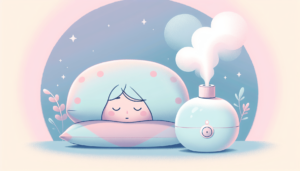
Creating a quiet and dark space can help minimize sensory triggers and provide a soothing environment during a migraine attack. Find a room or area in your home where you can retreat to when you experience a migraine and make it as quiet and dark as possible. Use heavy curtains or blinds to block out light, and consider using earplugs or white noise machines to dampen any background noise. Creating a comfortable environment can help reduce the intensity and duration of migraines.
Use a migraine-specific eye mask
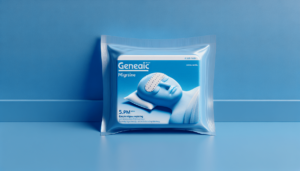
Migraine-specific eye masks, also known as migraine masks or headache masks, can provide relief by blocking out light and applying gentle pressure to the eyes and temples. These masks are designed to be worn comfortably and can be chilled or heated for additional relief. The combination of darkness and gentle pressure can help alleviate pain and promote relaxation during a migraine attack. Invest in a high-quality migraine-specific eye mask to have on hand for when migraines strike.
Control temperature and humidity levels
Temperature and humidity can also contribute to migraines, so it is important to regulate these factors in your environment. Extreme heat or cold, as well as high humidity, can trigger migraines in some individuals. Keep your living and working spaces at a comfortable temperature, and consider using a humidifier or dehumidifier to maintain optimal humidity levels. Experiment with different temperature and humidity settings to find what works best for you and helps prevent migraines.
Use relaxation techniques
Relaxation techniques, such as deep breathing exercises or guided imagery, can be used in your comfortable environment to help manage migraines. Creating a dedicated space where you can practice these techniques regularly can provide a calming atmosphere that promotes relaxation and reduces stress levels. Consider decorating your space with soothing colors, scents, or objects that bring you comfort and tranquility. Incorporate relaxation techniques into your daily routine to create a peaceful environment that supports migraine management.
Managing Medications
Keep a medication schedule
If you are prescribed medications to manage your migraines, it is important to keep a medication schedule to ensure that you take them as directed. Set reminders or alarms on your phone, use pill organizers, or establish a routine that helps you stay on track with your medication regimen. Consistency is key when it comes to the effectiveness of migraine medications, so make it a priority to adhere to your prescribed schedule.
Inform your doctor about all medications
It is crucial to inform your doctor about all medications you are taking, including over-the-counter medications, supplements, and herbal remedies. Some medications and substances can interact with each other, potentially reducing their effectiveness or causing unwanted side effects. By providing your doctor with a comprehensive list of everything you take, they can assess any potential interactions and make necessary adjustments to your migraine treatment plan.
Understand potential side effects
All medications come with potential side effects, and it is important to be aware of these when managing migraines. Familiarize yourself with the potential side effects of your migraine medications and discuss them with your healthcare provider. Knowing what to expect can help you distinguish between normal side effects and potential adverse reactions. If you experience severe or persistent side effects, consult your doctor immediately.
Consider preventive medications
In addition to medications used to treat acute migraine attacks, there are also preventive medications available for individuals who experience frequent or severe migraines. These medications are taken regularly to reduce the frequency and severity of migraine attacks. If you find that your migraines are significantly impacting your quality of life, discuss the option of preventive medications with your healthcare provider. They can help determine if this course of treatment is appropriate for you and guide you through the process.
Alternative Treatment Options
Acupuncture
Acupuncture is an alternative treatment option that involves the insertion of thin needles into specific points on the body to stimulate energy flow and promote healing. Some individuals with migraines have found acupuncture to be helpful in reducing the frequency and intensity of their attacks. While the exact mechanism by which acupuncture works for migraines is still under investigation, it is believed that it may help regulate neurotransmitters and reduce inflammation. Consider seeking out a qualified acupuncturist who has experience treating migraines.
Biofeedback
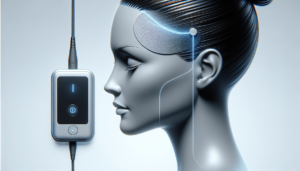
Biofeedback is a technique that allows individuals to become more aware of and gain control over their body’s physiological responses. It involves the use of electronic sensors to monitor bodily functions such as heart rate, blood pressure, and muscle tension. Through this feedback, individuals learn to control these functions and reduce stress levels, which can help manage migraines. Biofeedback sessions are typically conducted by trained professionals who guide individuals through the process of understanding and controlling their body’s responses.
Herbal supplements
Certain herbal supplements have been used as alternative treatment options for migraines. Although the scientific evidence for their effectiveness is limited, some individuals have reported positive results. Supplements such as feverfew, butterbur, and magnesium have been commonly used to manage migraines. However, it is crucial to consult with a healthcare professional before incorporating any herbal supplements into your migraine management plan, as they may interact with other medications or have potential side effects.
Massage therapy
Massage therapy can provide relief for migraines by promoting relaxation and reducing muscle tension. A skilled massage therapist can target specific trigger points and areas of discomfort to help alleviate pain. Additionally, massage therapy can improve blood circulation and stimulate the release of endorphins, which are natural pain relievers. Consider scheduling regular massage therapy sessions to help manage your migraines. Communicate your specific needs and concerns with the massage therapist to ensure they tailor the treatment to your condition.
Stress Management Techniques
Practice deep breathing exercises
Deep breathing exercises are a simple and effective way to manage stress and reduce the risk of triggering migraines. Deep breathing involves taking slow, deep breaths, allowing your abdomen to expand fully before slowly exhaling. This technique can help activate the body’s relaxation response and promote a sense of calm. Incorporate deep breathing exercises into your daily routine by setting aside a few minutes each day to focus on your breath. You can practice deep breathing exercises in any setting, and they can be especially beneficial during times of stress or tension.
Engage in regular physical activity
Regular physical activity can play a significant role in managing stress and reducing the frequency of migraines. Engaging in moderate aerobic exercise, such as walking, jogging, cycling, or swimming, releases endorphins, which are natural mood boosters and pain relievers. Aim for at least 30 minutes of exercise most days of the week. Find activities that you enjoy and that fit into your lifestyle and make them a priority. Start slowly and gradually increase the intensity and duration of your workouts.
Try mindfulness or meditation
Mindfulness and meditation techniques can help reduce stress and promote relaxation, making them valuable tools for managing migraines. Mindfulness involves paying attention to the present moment without judgment, while meditation involves focusing the mind on a particular object, thought, or activity. There are numerous resources available that can guide you through mindfulness and meditation practices, including smartphone apps, online videos, and local classes or workshops. Incorporate mindfulness or meditation into your daily routine to reap the benefits of these stress-reducing techniques.
Use stress-reduction techniques
In addition to deep breathing exercises, regular physical activity, and mindfulness or meditation, there are a variety of stress-reduction techniques that can be effective in managing migraines. Techniques such as yoga, tai chi, progressive muscle relaxation, and guided imagery can help promote relaxation and reduce stress levels. Experiment with different techniques to find what works best for you and incorporate them into your daily routine. Consistency is key when it comes to stress reduction, so make these techniques a regular part of your life.
Support Systems
Join support groups
Joining support groups can provide a valuable source of understanding and empathy for individuals living with migraines. Connecting with others who have similar experiences can help alleviate feelings of isolation and provide a safe space to share concerns, frustrations, and coping strategies. Look for local support groups in your area or consider joining online communities dedicated to migraine support. Sharing experiences and advice with others who truly understand can make a significant difference in managing migraines.
Share experiences with friends and family
Sharing your experiences with friends and family can help them better understand and support you in managing migraines. Educate your loved ones about migraines, including common triggers, symptoms, and the impact migraines have on your daily life. Open communication can lead to increased empathy and cooperation, as well as the development of strategies to accommodate your needs during migraine attacks. When you feel comfortable sharing your experiences, you create a support system that can provide valuable assistance in managing migraines.
Seek professional help
If your migraines significantly impact your quality of life or if you are struggling to manage them on your own, seeking professional help is essential. Healthcare professionals, such as neurologists, headache specialists, or pain management specialists, have expertise in diagnosing and treating migraines. They can create a personalized treatment plan tailored to your specific needs and monitor your progress. Reach out to a healthcare professional if you feel that your migraines require additional attention beyond self-management techniques.
Consider therapy or counseling
Therapy or counseling can be beneficial for individuals with migraines, especially if stress or emotional factors contribute to their frequency or severity. Cognitive-behavioral therapy (CBT) is a commonly used therapeutic approach that can help individuals identify and modify thought patterns and behaviors that contribute to migraines. Therapy sessions can provide a safe environment to explore and address triggers, stressors, and coping mechanisms. Talk to a healthcare professional about the potential benefits of therapy or counseling for managing your migraines.
Effectively Communicating with Healthcare Providers
Provide a detailed medical history
When communicating with healthcare providers about your migraines, it is important to provide them with a detailed medical history. This includes information about previous diagnoses, treatments, medications, and any other relevant medical conditions or procedures. A comprehensive medical history helps healthcare providers understand your unique situation and ensures that they have all the necessary information to develop an appropriate treatment plan.
Keep a list of current medications
Keeping a list of your current medications is crucial for effective communication with healthcare providers. This includes both prescription and over-the-counter medications, as well as any supplements or herbal remedies you are taking. Having an up-to-date list readily available allows healthcare providers to assess potential interactions or side effects when prescribing new medications for your migraines.
Ask questions and voice concerns
When interacting with healthcare providers, it is important to actively participate in your own healthcare by asking questions and voicing any concerns you may have. This enables you to better understand your condition, treatment options, and potential side effects. Feel free to ask for clarification or additional information if something is unclear. Open and honest communication with your healthcare providers is essential for effective migraine management.
Follow up on prescribed treatments
Following up on prescribed treatments is vital to assess their effectiveness and make any necessary adjustments. Keep track of your symptoms and record any changes or improvements you experience. If a treatment is not providing the desired results or if you are experiencing side effects, communicate this to your healthcare provider so that they can explore alternative options. Regular follow-ups allow your healthcare provider to monitor your progress and make informed decisions regarding your migraine management plan.
Developing Coping Mechanisms
Acceptance and self-compassion
Living with migraines can be challenging, and it is important to cultivate acceptance and self-compassion as part of your coping mechanism. Recognize that migraines are a medical condition that requires proper management and treatment. Be kind to yourself and acknowledge that your worth is not defined by your migraines. Practice self-care and prioritize your physical and emotional well-being. By cultivating acceptance and self-compassion, you can adopt a positive mindset and effectively manage your migraines.
Practice relaxation and self-care
Relaxation and self-care practices are essential components of coping with migraines. Engage in activities that bring you joy and promote relaxation, such as reading, listening to music, taking baths, or practicing hobbies. Establish a self-care routine that incorporates these activities regularly. Additionally, prioritize proper sleep, hydration, and nutrition to support your overall well-being. By incorporating relaxation and self-care practices into your daily life, you can better manage stress levels and reduce the impact of migraines.
Maintain a positive mindset
Maintaining a positive mindset can make a significant difference in managing migraines. Although living with migraines can be challenging, focusing on the positive aspects of your life can help shift your perspective. Engage in activities that bring you happiness and surround yourself with positive influences and supportive individuals. Practice gratitude by acknowledging the good things in your life. By adopting a positive mindset, you can cultivate resilience and better cope with the challenges that migraines may present.
Manage expectations
Managing expectations is an important coping mechanism when living with migraines. Understand that there may be days when your migraines are more difficult to manage, and it is okay to take time for yourself and rest. Be flexible with your schedule and allow yourself to adapt when necessary. Set realistic goals and prioritize self-care during migraine attacks. By managing your expectations, you can reduce stress and better navigate the unpredictability of migraines.
In conclusion, effectively managing migraines requires a comprehensive approach that includes identifying triggers, maintaining a healthy lifestyle, implementing effective pain management strategies, ensuring a comfortable environment, managing medications, exploring alternative treatment options, practicing stress management techniques, seeking support from others, effectively communicating with healthcare providers, and developing coping mechanisms. By following these tips and incorporating them into your daily life, you can improve your ability to manage migraines and enhance your overall well-being. Remember to consult with healthcare professionals before making any significant changes to your migraine management plan, as they can provide personalized advice based on your specific needs.