If you suffer from migraines, you know just how debilitating they can be. The throbbing pain, the sensitivity to light and sound, the nausea – it’s enough to derail your entire day. But what if there was a natural way to alleviate those symptoms and find relief? That’s where acupressure comes in. By applying pressure to specific points on your body, you can potentially ease the intensity and duration of your migraines. In this article, we’ll explore the benefits of acupressure for migraines and how you can incorporate it into your wellness routine.
What is Acupressure?
Definition
Acupressure is a traditional Chinese healing technique that involves applying pressure to specific points on the body to stimulate the body’s natural healing abilities. It is often used as a complementary therapy for various ailments, including migraines.
Principles of Acupressure
Acupressure is based on the principles of Traditional Chinese Medicine (TCM), which views the body as a complex system of interconnected energy pathways known as meridians. These meridians correspond to specific organs and functions in the body. According to TCM, when the flow of energy, or Qi, is blocked or imbalanced, it can lead to various health issues, including migraines. By applying pressure to specific acupoints along the meridians, acupressure aims to restore the balance of Qi and promote healing.
Understanding Migraines
Definition
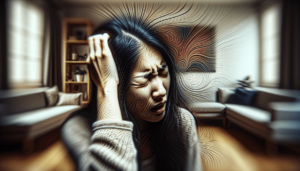
A migraine is a severe headache that is often accompanied by other symptoms, such as nausea, sensitivity to light and sound, and visual disturbances. It can significantly impact an individual’s quality of life and ability to carry out daily activities.
Causes
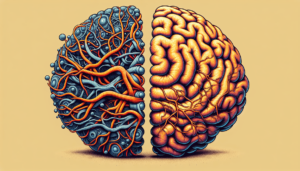
The exact cause of migraines is still not fully understood. However, it is believed to be influenced by a combination of genetic, environmental, and neurological factors. Triggers such as certain foods, stress, hormonal changes, lack of sleep, and sensory stimuli can also contribute to the development of migraines.
Symptoms
Migraine symptoms vary from person to person, but common symptoms include throbbing or pulsating pain on one side of the head, intense pain that worsens with physical activity, nausea or vomiting, sensitivity to light and sound, and visual disturbances such as seeing flashes of light or blind spots.
How Acupressure Helps with Migraines
Mechanism of Action
Acupressure works by stimulating specific acupoints on the body, which can help release tension, improve blood circulation, and promote the body’s natural healing response. It is believed that acupressure can help alleviate migraines by reducing pain, relieving muscle tension, and restoring the balance of energy in the body.
Benefits of Acupressure for Migraines
Acupressure has been found to provide several benefits for individuals suffering from migraines. It can help reduce the frequency and intensity of migraines, alleviate pain and associated symptoms, and provide a non-invasive and drug-free approach to managing migraines. Acupressure can also be used as a preventive measure to reduce the occurrence of migraines.
Key Acupressure Points for Migraines
Temporal Region (Taiyang)
The temporal region is located on the side of the head, slightly above the ear. Applying firm and gentle pressure to this area can help relieve tension and reduce pain associated with migraines.
Third Eye Point (Yintang)
The third eye point is located between the eyebrows, in the center of the forehead. Gentle pressure applied to this point can help alleviate headache pain and promote relaxation.
Joining Valley (Hegu)
The joining valley point is located between the thumb and index finger, in the fleshy area. Applying pressure to this point can help relieve headaches and reduce tension in the head and neck.
Gates of Consciousness (Feng Chi)
The gates of consciousness points are located at the base of the skull, in the hollows on each side of the spine. Stimulating these points can help alleviate pain, reduce stress, and promote overall relaxation.
Wind Mansion (Feng Fu)
The wind mansion point is located on the back of the neck, just below the base of the skull. Gentle pressure applied to this point can help relieve headache pain, reduce tension, and promote a sense of calm.
Techniques and Tips for Acupressure
Finger Pressure Technique
To apply acupressure using the finger pressure technique, use your thumb or index finger to apply gentle but firm pressure to the chosen acupoint. Hold the pressure for about 30 seconds to a minute, and then release. Repeat the process on both sides of the body.
Circular Massage Technique
The circular massage technique involves using circular motions with your fingers or thumb to stimulate the acupoint. Start by applying gentle pressure and then gradually increase the pressure as you make small circular motions. Continue the massage for about 1-2 minutes, and then switch to the other side.
Breathing and Visualization
To enhance the effects of acupressure, incorporate deep breathing and visualization techniques. Take slow, deep breaths while applying pressure to the acupoint, and imagine the tension and pain melting away with each breath.
Precautions and Safety Measures
While acupressure is generally safe, it is essential to consult with a healthcare professional if you have any underlying medical conditions or are pregnant. Avoid applying excessive pressure or using acupressure on open wounds, broken skin, or areas of inflammation. If you experience any severe or worsening symptoms, discontinue acupressure and seek medical attention.
Acupressure Tools and Accessories
Acupressure Mats
Acupressure mats are specially designed mats that have numerous acupressure points embedded on their surface. When lying or sitting on the mat, the acupressure points stimulate the body and promote relaxation, pain relief, and improved circulation.
Acupressure Rings
Acupressure rings are small metal rings with raised bumps or acupressure points. They can be worn on the fingers and used to apply acupressure to specific points on the hands and fingers.
Acupressure Bands
Acupressure bands are wristbands that have a small plastic button or bead that can be pressed against specific acupoints on the wrist. They are commonly used to relieve nausea and motion sickness but can also provide relief for migraines.
Acupressure Balls
Acupressure balls are small, portable tools that can be used to apply pressure to specific acupoints. They are typically made of rubber or other durable material and can be rolled or pressed onto acupoints for targeted relief.
Other Complementary Therapies for Migraines
Aromatherapy
Aromatherapy involves using essential oils and aromatic plant extracts to promote relaxation and alleviate symptoms. Certain essential oils, such as lavender and peppermint, have been found to be beneficial for relieving migraines.
Herbal Remedies
Herbal remedies, such as feverfew and butterbur, have been used for centuries as natural remedies for migraines. These herbs can help reduce the frequency and severity of migraines when used as directed.
Yoga and Meditation
Practicing yoga and meditation can help reduce stress, relax the body and mind, and improve overall well-being. Regular yoga and meditation sessions may help prevent migraines and provide relief from associated symptoms.
Chiropractic Care
Chiropractic care focuses on the alignment of the spine and musculoskeletal system. By making adjustments to the spine and other joints, chiropractors aim to reduce headache frequency and intensity in individuals with migraines.
Seeking Professional Help
Consulting an Acupressure Practitioner
If you are new to acupressure or have a complex medical history, it is advisable to consult with a qualified acupressure practitioner. They can assess your specific needs, recommend appropriate acupressure techniques and points, and provide guidance on achieving optimal results.
Integrative Approach with Healthcare Providers
When incorporating acupressure into your migraine management plan, it is essential to maintain open communication with your healthcare providers. They can provide guidance on potential interactions with any medications or treatments you are currently undergoing, ensuring a comprehensive and integrated approach to your migraine care.
Research and Evidence
Scientific Studies on Acupressure for Migraines
Numerous scientific studies have explored the effectiveness of acupressure for migraines. These studies have shown promising results in terms of reducing the frequency, duration, and intensity of migraines, as well as improving overall well-being and quality of life.
Promising Results and Limitations
While the results of these studies are promising, it is important to note that individual responses may vary. Acupressure may not provide complete relief for all individuals with migraines, and it should be seen as a complementary therapy rather than a standalone treatment option. Additionally, more research is needed to further understand the mechanisms of action and long-term effects of acupressure for migraines.
Incorporating Acupressure into Daily Life
Self-Care Routine
Incorporating acupressure into your daily self-care routine can be a proactive way to manage migraines. Setting aside a few minutes each day to apply acupressure to the designated acupoints can help reduce the frequency and severity of migraines over time.
Preventing and Managing Migraines
In addition to acupressure, adopting healthy lifestyle habits can also help prevent and manage migraines. This includes getting enough restful sleep, managing stress levels, staying hydrated, practicing relaxation techniques, and avoiding known triggers.
In conclusion, acupressure can be a beneficial complementary therapy for individuals suffering from migraines. By understanding the principles of acupressure, specific acupoints for migraines, techniques, and safety measures, individuals can incorporate acupressure into their daily routine to potentially reduce the frequency and intensity of migraines. However, it is important to consult with healthcare professionals, incorporate other complementary therapies, and stay informed about current scientific research to ensure a well-rounded and integrated approach to migraine management.