You know that throbbing pain in your head that just won’t go away? It could be a Chiari headache, but wait, it could also be a migraine. Confusing, right? Well, in this article, we’ll break down the differences between these two types of headaches so you can finally pinpoint the source of your discomfort. Whether you’re on Team Chiari or Team Migraine, we’ve got you covered with the information you need to navigate the world of headaches. So sit back, relax, and let’s find out what’s causing your head to ache.
Causes
Chiari headache causes
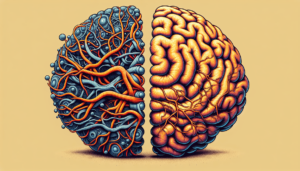
Chiari headache is primarily caused by a condition called Chiari malformation. This condition occurs when the lower part of the brain, also known as the cerebellum, descends into the upper spinal canal. The compression of the brain tissue and disruption of the normal flow of cerebrospinal fluid can lead to the development of Chiari headaches. Other contributing factors may include structural abnormalities present at birth, such as a small posterior fossa or a lower-than-normal cerebellar tonsil position.
Migraine causes
Migraine headaches, on the other hand, have no specific known cause. However, they are thought to be multifactorial in nature. Possible triggers for migraines include changes in hormones, certain foods and beverages (such as aged cheese, chocolate, alcohol, and caffeine), stress, lack of sleep, environmental factors (strong odors, bright lights), physical exertion, and even weather changes. Moreover, migraines can also have a genetic component, as they tend to run in families.
Symptoms
Chiari headache symptoms
Chiari headaches often present with a variety of symptoms that differ from those of migraines. Common symptoms include a steady, constant pain at the base of the skull, which can radiate to the neck and shoulders. Individuals with Chiari headaches may also experience dizziness, imbalance, numbness or tingling in the extremities, difficulty swallowing, and even changes in the voice due to vocal cord paralysis. These symptoms can be aggravated with certain activities that increase pressure in the head, such as coughing or straining.
Migraine symptoms
Migraine headaches, on the other hand, are typically characterized by recurring episodes of moderate to severe pulsating or throbbing pain. The pain is often unilateral and can last anywhere from a few hours to several days. Migraines are commonly accompanied by other symptoms such as nausea, vomiting, sensitivity to light and sound, and even visual disturbances known as auras. Some individuals may also experience fatigue, irritability, and difficulty concentrating during or after a migraine episode.
Pain Characteristics
Chiari headache pain characteristics
The pain associated with Chiari headaches is usually described as a dull, achy sensation that persists over a longer duration. It is often located at the base of the skull or the back of the head and may extend to the neck and shoulders. The intensity of the pain can vary from person to person, but it is typically constant and not pulsating or throbbing like migraines.
Migraine pain characteristics
Migraine pain, on the other hand, is typically described as a pulsating or throbbing sensation. The pain tends to be more severe and intense compared to Chiari headaches. It is commonly localized to one side of the head and may be accompanied by additional symptoms such as nausea and sensitivity to light and sound.
Location of Pain
Chiari headache location of pain
The primary location of pain in Chiari headaches is at the base of the skull, near the occipital bone. This area is commonly referred to as the occipital or suboccipital region. The pain can radiate to the neck and shoulders, especially if triggered by certain activities or postures.
Migraine location of pain
Migraine pain can occur on one side or both sides of the head. It is often described as a band-like headache that wraps around the temples or forehead. Some individuals may also experience pain behind one eye or in the sinuses.
Duration
Chiari headache duration
Chiari headaches can vary in duration, but they generally last longer than migraines. The pain can persist for several hours, days, or even be present constantly. It may be exacerbated by certain activities or situations that increase pressure in the head, such as bending forward or straining.
Migraine duration
Migraines typically have a shorter duration compared to Chiari headaches. The duration can vary from a few hours to a couple of days. In some cases, migraines can last longer, especially if left untreated or if triggered repeatedly.
Triggers
Chiari headache triggers
Unlike migraines, Chiari headaches are not triggered by external factors such as certain foods or environmental stimuli. However, certain activities that increase pressure in the head, such as coughing, straining, or strenuous exercise, can exacerbate Chiari headaches.
Migraine triggers
Migraines can be triggered by a variety of factors. Some common triggers include hormonal changes (such as during menstruation or menopause), certain foods and beverages (such as chocolate, cheese, or alcohol), stress, lack of sleep, strong odors, bright lights, loud noises, physical exertion, and weather changes. Identifying and avoiding possible triggers can help in managing migraines.
Associated Symptoms
Chiari headache associated symptoms
In addition to the primary headache pain, individuals with Chiari headaches may experience a range of associated symptoms. These can include dizziness, vertigo, balance problems, numbness or tingling in the extremities, difficulty swallowing, vocal cord paralysis leading to changes in voice, and even vision problems such as double vision or blurred vision. These associated symptoms are a result of the compression or irritation of surrounding structures by the displaced cerebellum.
Migraine associated symptoms
Migraines often come with a variety of associated symptoms. These can include nausea, vomiting, sensitivity to light (photophobia) or sound (phonophobia), visual disturbances (known as auras), fatigue, irritability, and difficulty concentrating. Not all individuals experience all of these symptoms, and their presence can vary from one migraine episode to another.
Diagnosis
Diagnosing Chiari headache
The diagnosis of a Chiari headache is typically made through a combination of medical history evaluation, physical examination, and neuroimaging studies. Your healthcare provider will ask about your symptoms, including the location, duration, and associated symptoms of your headaches. A physical examination may be performed to assess your neurological function, including balance, coordination, reflexes, and sensation. Neuroimaging, such as magnetic resonance imaging (MRI), is often necessary to confirm the presence of Chiari malformation and evaluate the extent of brain displacement.
Diagnosing Migraine
Diagnosing migraines involves a thorough review of your medical history and a detailed description of your headache symptoms. Your healthcare provider will ask about the duration, frequency, intensity, and associated symptoms of your migraines. It is important to mention any triggers that you have identified. There is no specific test to definitively diagnose migraines, but if your symptoms are consistent with migraines and other possible causes have been ruled out, a diagnosis can be made based on your clinical presentation.
Treatment Options
Treatment options for Chiari headache
The treatment approach for Chiari headaches depends on the severity of symptoms and the impact they have on your daily life. Mild cases may only require monitoring and symptom management with over-the-counter pain relievers. For more severe or persistent cases, surgical intervention may be recommended to alleviate the compression of the brain and restore normal cerebrospinal fluid flow. The specific surgical procedure will depend on the individual case and may involve removing a small portion of the skull to create more space for the cerebellum or to build a bypass around the obstructed area.
Treatment options for Migraine
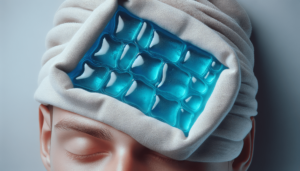
The treatment of migraines aims to relieve pain during an episode and prevent future attacks. Over-the-counter pain relievers, such as nonsteroidal anti-inflammatory drugs (NSAIDs), can help alleviate mild to moderate migraine pain. For more severe or frequent migraines, prescription medications are available, including triptans, ergot derivatives, and anti-nausea medications. Additionally, lifestyle modifications such as stress management, regular sleep patterns, a balanced diet, and avoiding triggers can help in preventing and managing migraines. In some cases, preventive medications may be prescribed to reduce the frequency and severity of migraines.
Prevention
Preventing Chiari headaches
Preventing Chiari headaches involves managing the underlying Chiari malformation. While it is not always possible to prevent the development of Chiari malformation, taking precautions to avoid activities that increase intracranial pressure can help in minimizing symptoms. This may include avoiding heavy lifting, straining during bowel movements, and participating in contact sports or activities that involve rapid changes in intracranial pressure.
Preventing Migraines
Preventing migraines can be challenging as they are often influenced by multiple factors. However, certain lifestyle modifications may help in reducing the frequency and severity of migraine attacks. These include maintaining a regular sleep schedule, managing stress through relaxation techniques or therapy, identifying and avoiding trigger foods or environmental factors, and regular exercise. Keeping a headache diary to track potential triggers and patterns can also be helpful in identifying and managing migraines. In some cases, preventive medications prescribed by a healthcare professional may be necessary to reduce the occurrence of migraines.