Hey there! If you’ve ever experienced the debilitating pain of a migraine, then you know how frustrating it can be when they keep coming back. Despite your best efforts to manage them, they seem to have a knack for resurfacing at the most inconvenient times. In this article, we’ll explore some possible reasons behind these recurring migraines and offer some tips to help you find relief. So let’s not waste any time and jump right into it!
Understanding Migraines
Definition of migraines
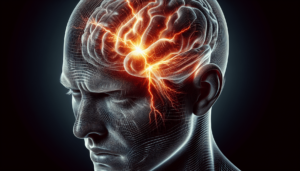
Migraines are a type of severe headache that can cause intense pulsating pain, often accompanied by other symptoms such as nausea, vomiting, and sensitivity to light and sound. They are typically recurring in nature, with episodes that can last for hours or even days. Migraines can be incredibly debilitating and greatly impact a person’s quality of life.
Common symptoms
In addition to the severe headache, migraines are often characterized by various symptoms. These may include aura, which is a visual disturbance that occurs before the headache, such as seeing flashing lights or zigzag lines. Other common symptoms during a migraine attack can include dizziness, fatigue, difficulty concentrating, and even numbness or tingling in certain parts of the body.
Potential triggers
Migraines can be triggered by a wide range of factors, and these triggers can vary from person to person. Some common triggers include certain foods and beverages, such as chocolate, cheese, alcohol, and caffeine. Changes in sleep patterns, hormonal fluctuations, and high levels of stress or anxiety can also act as triggers for migraines. Environmental factors, such as bright lights, strong odors, and loud noises, can also contribute to the onset of a migraine attack.
Causes of Recurring Migraines
Genetic factors
There is evidence to suggest that migraines can have a genetic component, meaning that they can run in families. If you have a close relative, such as a parent or sibling, who experiences migraines, you may have an increased risk of developing them as well. Researchers have identified certain genetic variations that are associated with migraines, although the exact mechanisms by which genes contribute to migraines are still not fully understood.
Hormonal imbalances
Hormonal changes are a known trigger for migraines, particularly in women. Many women experience migraines around the time of their menstrual period due to hormonal fluctuations. The drop in estrogen levels before menstruation is believed to be a significant factor in triggering migraines. Hormonal contraceptives, such as birth control pills, can also influence migraines in some women, either exacerbating or alleviating symptoms.
Environmental triggers
Environmental factors can play a significant role in triggering migraines. Bright lights, flickering screens, strong smells (e.g., perfumes, smoke), and loud noises have been reported as triggers by many migraine sufferers. Changes in weather patterns, such as sudden changes in temperature or high humidity, can also provoke migraines in some individuals. It is important to identify and avoid these triggers to minimize the frequency and intensity of migraine attacks.
Stress and anxiety
Stress and anxiety are well-known triggers for migraines. The body’s response to stress involves the release of certain chemicals and hormones that can affect blood vessels and increase the risk of migraines. Additionally, stress and anxiety can lead to muscle tension, which can contribute to the development of headaches. Managing stress through relaxation techniques, such as deep breathing exercises or meditation, can help reduce the occurrence of migraines.
Dietary factors
Certain foods and beverages have been identified as common triggers for migraines. These can include aged cheeses, processed meats, monosodium glutamate (MSG), artificial sweeteners, and red wine. It is important to pay attention to your own dietary patterns and keep a migraine diary to identify any specific triggers that may be causing your migraines. Avoiding these trigger foods and beverages can help reduce the frequency of migraines.
Sleep disturbances
Sleep disturbances, such as lack of sleep or irregular sleep patterns, have been associated with an increased risk of migraines. Both too much and too little sleep can trigger migraines. Establishing and maintaining a regular sleep schedule, practicing good sleep hygiene, and ensuring that you get an adequate amount of sleep each night can help reduce the occurrence of migraines.
Impact and Disruption
Effects on daily life
Migraines can have a significant impact on a person’s daily life. During a migraine attack, individuals often experience severe pain and a range of other symptoms that can make it difficult to carry out their usual activities. The pain and discomfort can be so intense that it becomes necessary to retreat to a dark, quiet room and lay down until the symptoms subside. This can disrupt daily routines and prevent individuals from fulfilling their responsibilities.
Interference with work or school
Migraines can interfere with work or school attendance and performance. The unpredictable nature of migraines makes it challenging for individuals to maintain consistent attendance and productivity. The need to take time off or leave early due to severe symptoms can also lead to missed opportunities and a sense of guilt or frustration. It is important for employers and educators to be understanding and accommodating of individuals who experience migraines.
Relationship and social impact
Migraines can also impact relationships and social interactions. The unpredictable nature of migraines can lead to canceled plans, missed social events, and a reduced ability to engage in activities with family and friends. This can lead to feelings of isolation and frustration, as well as strain on relationships. Open communication and understanding from loved ones can help alleviate the negative social impact of migraines.
Psychological implications
Living with recurring migraines can have psychological implications. The chronic pain and unpredictable nature of migraines can lead to anxiety, depression, and feelings of helplessness. It is important for individuals with migraines to seek emotional support and engage in self-care practices to help manage the psychological impact of their condition. Counseling or therapy may also be beneficial in addressing any underlying emotional or psychological challenges.
Management Strategies
Over-the-counter pain relief
Over-the-counter pain relief medications, such as nonsteroidal anti-inflammatory drugs (NSAIDs) or pain relievers containing acetaminophen, can help alleviate the pain associated with migraines. These medications can be effective if taken at the earliest sign of a migraine attack. It is important to follow the recommended dosage instructions and consult a healthcare professional if migraines persist or worsen despite treatment.
Prescription medications
For individuals with frequent or severe migraines, prescription medications may be necessary. These can include triptans, which specifically target migraines and help relieve pain and other symptoms. Other medications, such as beta-blockers, antidepressants, or anti-seizure drugs, may also be prescribed to prevent or reduce the frequency and severity of migraines. It is important to work closely with a healthcare professional to find the most effective medication for your specific situation.
Lifestyle changes
Making certain lifestyle changes can help reduce the frequency and severity of migraines. This can include establishing consistent sleep patterns, maintaining a healthy diet, and staying hydrated. Regular exercise, stress management techniques, and relaxation practices, such as yoga or meditation, can also be beneficial in managing migraines. It is important to identify and avoid triggers, as well as to establish a routine that promotes overall well-being.
Stress management techniques
Since stress is a common trigger for migraines, it is important to incorporate stress management techniques into your daily routine. This can include practicing relaxation exercises, such as deep breathing, progressive muscle relaxation, or guided imagery. Engaging in activities that you find enjoyable and fulfilling can also help alleviate stress and reduce the likelihood of migraines. It may be helpful to seek guidance from a healthcare professional or therapist to develop effective stress management strategies.
Diet modifications
Some individuals may find that certain foods or beverages trigger their migraines. Keeping a migraine diary can help identify specific trigger foods or ingredients. It may be necessary to eliminate or minimize consumption of these triggers to reduce migraines. Additionally, maintaining a balanced diet and eating regular meals can help stabilize blood sugar levels and reduce the risk of migraines. It is important to work with a healthcare professional or registered dietitian to develop a personalized diet plan.
Regular sleep patterns
Establishing and maintaining regular sleep patterns can help regulate the body’s internal clock and reduce the risk of migraines. It is important to prioritize sleep and create a sleep-friendly environment that promotes restful sleep. This includes avoiding stimulating activities and electronic devices prior to bedtime, keeping the bedroom dark and quiet, and ensuring a comfortable sleep environment. Developing a consistent sleep routine can help improve the quality and duration of sleep, decreasing the likelihood of migraines.
Physical therapy and exercises
Physical therapy and certain exercises can help relieve muscle tension, improve posture, and reduce the occurrence of migraines. Techniques such as manual therapy, stretching, and strengthening exercises can target areas of the body that may be contributing to migraines, such as the neck and shoulders. In some cases, healthcare professionals may recommend specific exercises or refer individuals to a physical therapist for further evaluation and treatment.
Alternative therapies
Alternative therapies, such as acupuncture, chiropractic care, or biofeedback, may be considered as complementary approaches for managing migraines. These therapies focus on promoting overall well-being and balancing the body’s energy or nervous system. While the evidence for their effectiveness in treating migraines is mixed, some individuals find relief with these alternative treatments. It is important to consult with a healthcare professional before considering any alternative therapies and to ensure they are used in conjunction with conventional medical treatments.
Seeking Medical Help
When to consult a doctor
It is important to consult a doctor if you are experiencing recurring migraines or if your migraines are significantly impacting your daily life. Seek medical help if your migraines become more frequent, severe, or do not respond to over-the-counter pain relief medications. Additionally, if you experience new or concerning symptoms, such as changes in vision, difficulty speaking, weakness, or confusion, it is essential to seek immediate medical attention.
Diagnosing migraines
Diagnosing migraines is typically based on the symptoms reported by the individual. A healthcare professional will conduct a thorough medical history and physical examination to rule out other possible causes of the symptoms. In some cases, additional tests or imaging studies may be performed to confirm the diagnosis and identify any underlying conditions that may be contributing to the migraines.
Medical examinations and tests
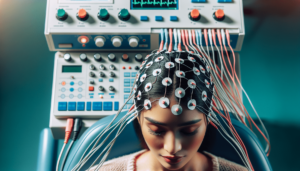
While there is no specific medical test to definitively diagnose migraines, healthcare professionals may order certain tests to rule out other potential causes of the symptoms. These can include blood tests, imaging studies (such as MRI or CT scans), or lumbar puncture (spinal tap) to check for any signs of infection or abnormalities. It is important to discuss your symptoms and medical history openly with your healthcare professional to ensure a thorough evaluation.
Specialist referrals
In some cases, healthcare professionals may refer individuals with migraines to specialists for further evaluation and management. Neurologists, headache specialists, or pain management specialists are commonly involved in the care of individuals with migraines. These specialists have a deeper understanding of migraines and can provide more targeted treatment options and guidance. Specialist referrals may be particularly beneficial for individuals with chronic or refractory migraines who require more specialized care.
Preventive Measures
Identifying triggers
Identifying triggers is an essential step in managing migraines. Paying attention to patterns and keeping a detailed migraine diary can help identify specific triggers that precede your migraines. By identifying and avoiding these triggers, you can significantly reduce the frequency and severity of migraine attacks. Triggers can vary widely between individuals, so it is important to keep track of your own unique triggers.
Keeping a migraine diary
Keeping a migraine diary involves recording the onset, duration, severity, and symptoms of each migraine attack. Additionally, it can be helpful to track factors such as diet, sleep patterns, menstrual cycle, stress levels, and any other potential triggers. Over time, you may start to notice patterns or specific triggers that consistently precede your migraines. This information can be invaluable for both managing and preventing migraines.
Avoiding triggers
Once you have identified your migraine triggers, it is important to take steps to avoid them as much as possible. This may involve dietary modifications, such as eliminating trigger foods or beverages from your diet. Making lifestyle changes, such as managing stress levels and establishing consistent sleep patterns, can also help minimize migraine triggers. Creating a trigger-free environment and making educated choices about your activities and exposures can greatly reduce the frequency of migraines.
Establishing a routine
Establishing a regular routine can help regulate your body’s internal clock and reduce the risk of migraines. This includes maintaining consistent sleep patterns, eating regular meals, and engaging in regular exercise. Creating a structured daily schedule and sticking to it as much as possible can help minimize potential triggers and promote overall well-being. It is important to find a routine that works for you and provides a sense of stability.
Maintaining a healthy lifestyle
Maintaining a healthy lifestyle is crucial for managing and preventing migraines. This includes eating a balanced diet, getting regular exercise, and prioritizing self-care. Staying hydrated, avoiding excessive caffeine or alcohol consumption, and managing stress levels are also important aspects of a healthy lifestyle. By taking care of your overall well-being, you can help reduce the occurrence and severity of migraines.
Treatment Options for Chronic Migraines
Botox injections
Botox injections have been approved by the FDA as a preventive treatment for chronic migraines. Botox works by blocking the release of certain chemicals involved in pain transmission. The injections are administered every 12 weeks by a healthcare professional trained in this treatment. While not effective for all individuals with migraines, Botox injections can be a viable option for those who experience chronic migraines and have not responded well to other treatments.
Nerve stimulation techniques
Nerve stimulation techniques involve the use of devices that deliver electrical stimulation to specific nerves involved in migraines. These devices can be worn or implanted and work by modulating nerve activity and reducing pain signals. Transcutaneous supraorbital nerve stimulation (sTMS) devices and occipital nerve stimulators are examples of nerve stimulation techniques that may be used as preventive treatments for migraines.
Transcranial magnetic stimulation
Transcranial magnetic stimulation (TMS) is a non-invasive treatment option that involves the use of magnetic fields to stimulate certain areas of the brain. TMS has been shown to effectively prevent migraines and reduce their severity and frequency. The treatment is typically administered in a healthcare setting, with a healthcare professional applying a magnetic coil to the scalp to deliver targeted magnetic pulses. Regular sessions may be required for optimal results.
Cognitive-behavioral therapy
Cognitive-behavioral therapy (CBT) is a psychological therapy that focuses on identifying and modifying thoughts and behaviors that contribute to migraines. CBT can help individuals develop coping mechanisms, manage stress and anxiety, and make lifestyle changes that minimize the occurrence of migraines. Working with a qualified therapist, individuals can learn strategies to break the cycle of migraines and improve their overall quality of life.
Preventive medications
There are several medications available that can be used for the prevention of migraines. These medications are typically taken daily to reduce the frequency and severity of migraine attacks. They may include beta-blockers, antidepressants, anti-seizure drugs, or calcium channel blockers. The choice of medication will depend on the individual’s specific symptoms, medical history, and any potential side effects. It is important to work closely with a healthcare professional to find the most effective preventive medication and dosage.
Surgical interventions
In rare cases, surgical interventions may be considered for individuals with chronic, severe migraines that do not respond to other treatments. These surgical procedures involve targeting specific nerves or blood vessels that are believed to be contributing to the migraines. Examples of surgical interventions for migraines include nerve decompression surgery, occipital nerve stimulation implants, and migraine trigger site denervation. These procedures are typically reserved for individuals with debilitating migraines that have not responded to other treatment options.
When Migraines Require Urgent Medical Attention
Signs of severe migraines
While migraines can be incredibly painful and debilitating, there are certain signs that may indicate the need for urgent medical attention. If you experience any of the following symptoms during a migraine attack, it is important to seek immediate medical attention:
- Sudden and severe headache, unlike any previous migraines
- Headache accompanied by high fever, stiff neck, or mental confusion
- Changes in speech, vision, or coordination
- Seizures or convulsions
- Loss of consciousness
- Persistent vomiting or inability to keep fluids down
Migraine complications
In rare cases, migraines can lead to complications that require medical intervention. These complications can include migrainous infarction, which is a type of stroke that occurs during a migraine attack, as well as status migrainosus, which is a prolonged and severe migraine attack lasting more than 72 hours. Additionally, medication overuse headaches can occur if medications for acute migraine relief are used excessively, leading to a rebound effect and increased frequency of migraines. It is important to seek medical attention if you experience any complications or if your migraines become increasingly severe or frequent.
Support and Coping Strategies
Joining support groups
Joining support groups or online communities for individuals with migraines can provide a sense of validation and understanding. Connecting with others who share similar experiences can help reduce feelings of isolation and provide a safe space for discussing challenges and seeking advice. Support groups can also provide valuable resources and information about treatment options and coping strategies.
Counseling and therapy
Counseling or therapy can be beneficial for individuals with migraines, particularly when psychological or emotional factors contribute to their condition. A trained therapist can help individuals explore the underlying causes or triggers of their migraines and develop strategies to manage stress, anxiety, and other emotional challenges. Cognitive-behavioral therapy (CBT) may be particularly helpful in addressing the impact of migraines on mental well-being.
Educating family and friends
Educating family members and friends about migraines can help them understand the condition and provide necessary support. By explaining the symptoms, triggers, and impact of migraines, individuals can foster empathy and encourage loved ones to be more understanding and accommodating. Sharing information, such as articles or brochures, can be a helpful way to educate others and promote a supportive environment.
Self-care practices
Engaging in self-care practices is crucial for managing migraines and overall well-being. This can include practicing relaxation techniques, such as deep breathing exercises, yoga, or meditation, to reduce stress and promote relaxation. Finding enjoyable hobbies or activities, such as reading, listening to music, or spending time in nature, can also help distract from the pain and improve mood. Adequate rest, maintaining a balanced diet, and prioritizing self-care can go a long way in managing migraines.
The Future of Migraine Treatment
Advancements in medical research
Medical research continues to explore the underlying mechanisms and potential treatments for migraines. Advances in understanding the genetic, hormonal, and neurological factors involved in migraines may lead to more targeted therapies in the future. Researchers are also investigating the role of inflammation, neurotransmitters, and pain processing pathways in the development and persistence of migraines. Ongoing studies aim to enhance our knowledge and provide further insights into the management and prevention of migraines.
Emerging treatments and technologies
As medical research progresses, new treatment options and technologies are emerging for migraine management. These include wearable devices that use neuromodulation techniques to reduce migraine pain, non-invasive brain stimulation techniques, and targeted drug therapies that aim to prevent migraine attacks. Additionally, advancements in telehealth and digital health platforms are making it easier for individuals with migraines to access specialized care and support remotely. The future holds promise for more effective and personalized approaches to migraine treatment.
In conclusion, understanding migraines is crucial for managing and preventing their recurrence. By identifying triggers, making lifestyle changes, and seeking appropriate medical help, individuals can effectively manage migraines and improve their overall quality of life. While migraines may be a chronic condition, there are a variety of treatment options and support strategies available to help individuals cope and find relief. With continued research and advancements in medical care, the future holds hope for even better approaches to migraine treatment and prevention.