Are you tired of the relentless throbbing pain and discomfort that migraines bring? Well, worry no more! In this article, you will discover the incredible power of pressure points to alleviate migraines and find relief. By gently applying pressure to specific points on your body, you can effectively reduce the intensity and duration of a migraine attack. So, grab a cup of tea, get comfortable, and prepare to unlock the secrets of pressure points for migraines. You’ll be amazed at the difference it can make in your life!
What are pressure points?
Overview
Pressure points are specific areas on the body that can be stimulated to relieve certain symptoms or conditions. These points are believed to contain a high concentration of nerve endings, and when pressed or massaged, they can trigger various physiological responses. Pressure points have been used for centuries in traditional medicine practices, such as acupressure and reflexology, to promote the body’s natural healing processes and provide relief for a wide range of ailments.
How they work
When pressure is applied to a specific point on the body, it can stimulate the nerves in that area and cause them to send signals to the brain. These signals can then regulate the flow of energy or qi (pronounced chee) throughout the body, promoting balance and restoring health. Pressure points for migraine relief are thought to help ease the pain and discomfort associated with migraines by targeting specific areas related to pain perception, muscle tension, and blood circulation.
Understanding migraines
Definition
A migraine is a severe and recurring headache that often comes with additional symptoms, such as nausea, sensitivity to light and sound, and visual disturbances. It is a neurological condition that affects millions of people worldwide and can significantly impact one’s quality of life. Migraines are typically characterized by throbbing pain on one side of the head, lasting for several hours or even days.
Causes
The exact cause of migraines is still not fully understood, but it is believed to involve a combination of genetic, environmental, and hormonal factors. Triggers, such as certain foods, stress, hormonal fluctuations, lack of sleep, and even weather changes, can provoke migraines in susceptible individuals. Understanding and identifying these triggers can be crucial in managing migraines effectively.
Symptoms
In addition to the intense headache, migraines can cause a range of symptoms that can vary between individuals. These symptoms may include aura (visual disturbances like flashing lights or zigzag lines), nausea or vomiting, dizziness, sensitivity to light and sound, fatigue, and difficulty concentrating. Each person may experience different combinations of symptoms and varying degrees of severity during a migraine attack.
Pressure points for migraine relief
Benefits of using pressure points
Using pressure points for migraine relief has several potential benefits. Firstly, it is a non-invasive and drug-free approach, making it a safe option for individuals who may be unable or unwilling to take medication. Additionally, stimulating pressure points can help relax tense muscles, improve circulation, and reduce inflammation, providing immediate relief from migraines. Regular use of pressure points may also help prevent the onset of migraines by promoting overall well-being and reducing stress levels.
How to locate pressure points
Finding and stimulating the right pressure points can be crucial for effectively relieving migraines. Some common pressure points for migraine relief include the temples, the base of the skull, the neck, and the forehead. To locate these points, it can be helpful to refer to an anatomical chart or seek guidance from a trained professional. Once identified, pressure can be applied using the fingertips or by using specific tools designed for acupressure or reflexology.
Pressure point techniques
Acupressure
Acupressure is a traditional Chinese healing technique that involves applying pressure to specific points on the body to promote healing and relieve discomfort. It is based on the same principles as acupuncture, but without the use of needles. Acupressure can be performed by gently pressing or massaging the selected pressure points in a circular or linear motion. This technique can help release tension, improve energy flow, and alleviate migraines.
Reflexology
Reflexology is a practice that involves applying pressure to specific zones or reflex areas on the feet, hands, or ears. These reflex areas correspond to different organs, glands, or body systems, and by stimulating them, balance and healing can be achieved throughout the body. Reflexology can complement other pressure point techniques for migraine relief by targeting different areas that may be associated with migraines.
Massage
Massage therapy can also be used to stimulate pressure points and provide relief for migraines. A skilled massage therapist can apply various techniques, such as effleurage (long, gliding strokes), kneading, and pressure point manipulation, to reduce tension and improve blood circulation. A neck and shoulder massage, in particular, can be beneficial for relieving muscle tension and reducing the severity and duration of migraines.
Specific pressure points for migraines
Temporal area
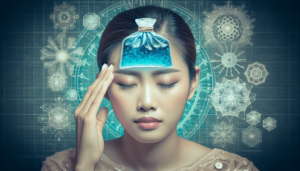
One of the key pressure points for migraine relief is located on the temples, in the temporal area. To find this point, place your fingertips on your temples and apply gentle pressure in a circular motion. This can help release tension and relieve headaches associated with migraines.
Base of the skull
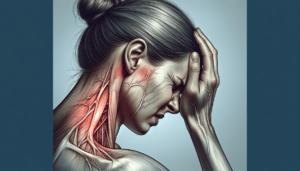
The base of the skull, where the neck meets the back of the head, is another important pressure point for migraines. Applying pressure or gently massaging this area can help reduce muscle tension and improve blood flow to the head, relieving migraines.
Neck
The neck contains several pressure points that can be particularly effective in relieving migraines. Two commonly targeted points are located on the back of the neck, where the skull meets the neck muscles. Applying pressure to these points or massaging can help alleviate headache symptoms.
Forehead
The forehead also has pressure points that can be helpful for migraines. Applying gentle pressure to the area between the eyebrows, known as the third eye or the yintang point, can help relieve tension and promote relaxation. Additionally, massaging the temples or the area just above the eyebrows can provide relief for migraines.
Acupuncture for migraine relief
What is acupuncture?
Acupuncture is a traditional Chinese medicine practice that involves inserting thin needles into specific points on the body. These points, known as acupuncture points, are believed to be connected by pathways that allow the flow of energy or qi throughout the body. By stimulating these points, acupuncture can help restore balance and promote healing.
Benefits of acupuncture for migraines
Acupuncture has been found to be effective in relieving migraines and reducing the frequency and intensity of migraine attacks. It can help regulate the nervous system, improve blood flow, and release endorphins, which are natural painkillers. Acupuncture sessions can provide both immediate relief during an ongoing migraine and long-term prevention by addressing underlying imbalances in the body.
Key acupuncture points for migraines
Some key acupuncture points that may be targeted for migraines include the large intestine 4 (LI4) located between the thumb and index finger, and the gallbladder 20 (GB20) located at the base of the skull, towards the back of the head. These points are believed to address pain and tension associated with migraines and can be stimulated with acupuncture needles or acupressure techniques for relief.
Self-care techniques
Rest and relaxation
Rest and relaxation are essential for managing migraines. During a migraine attack, finding a quiet and dark environment, and lying down in a comfortable position can help alleviate symptoms. Regularly practicing relaxation techniques, such as deep breathing, meditation, or yoga, can also help reduce stress levels and prevent migraines from occurring.
Hydration and diet
Proper hydration and a healthy diet are crucial factors in managing migraines. Dehydration can contribute to the onset of migraines, so drinking enough water throughout the day is important. Additionally, identifying and avoiding trigger foods, such as caffeine, chocolate, processed meats, and foods high in monosodium glutamate (MSG), can help prevent migraines in susceptible individuals.
Managing triggers
Identifying and managing triggers is an important aspect of migraine management. Keeping a migraine diary can help track potential triggers, such as specific foods, stress levels, hormonal changes, or weather patterns. By recognizing patterns and avoiding or managing triggers whenever possible, individuals can reduce the frequency and severity of migraine attacks.
Seeking professional help
When to consult a healthcare professional
While self-care techniques and pressure point therapies can be beneficial, it is essential to consult a healthcare professional if migraines become frequent, severe, or significantly affect daily life. A healthcare professional can help diagnose and determine the underlying cause of migraines, provide appropriate medical treatment, and guide individuals on when to seek further specialized care.
Treatment options
Treatment options for migraines can vary depending on the individual and the severity of symptoms. Healthcare professionals may recommend over-the-counter pain relievers, prescription medications, or preventive medications to manage migraines. Additionally, alternative therapies, such as Botox injections, nerve stimulation devices, or natural supplements, may be considered.
Combining pressure point techniques with medical treatments
Pressure point techniques, such as acupressure or reflexology, can be used in combination with medical treatments to enhance the management of migraines. Many individuals find that using pressure points along with prescribed medications or therapies can provide additional relief and improve overall well-being. However, it is essential to discuss any complementary or alternative therapies with a healthcare professional to ensure they are safe and suitable for each individual’s specific condition.
Preventative measures
Maintaining a healthy lifestyle
Maintaining a healthy lifestyle can contribute to better overall health and reduce the frequency and intensity of migraines. This includes adopting a balanced diet, regular physical activity, and avoiding smoking or excessive alcohol consumption. Prioritizing self-care and overall well-being can make a significant difference in migraine management.
Regular exercise
Regular exercise has been shown to help prevent migraines by reducing stress levels and promoting the release of endorphins, which are natural painkillers. Engaging in activities such as walking, jogging, swimming, or yoga can be beneficial for migraine prevention. However, it is important to start slowly and gradually increase intensity to avoid triggering a migraine attack.
Stress management
Stress is a common trigger for migraines, so finding effective stress management techniques is crucial. This can include practicing relaxation techniques, such as deep breathing, meditation, or engaging in enjoyable activities such as hobbies or spending time with loved ones. Seeking counseling or therapy can also help develop healthy coping mechanisms and reduce stress levels.
Sleep hygiene
Maintaining good sleep hygiene is vital for managing migraines. Getting enough high-quality sleep on a consistent schedule can help prevent migraines. Establishing a regular sleep routine, creating a comfortable sleep environment, and practicing relaxation techniques before bed can improve sleep quality and reduce the risk of migraines.
Conclusion
In conclusion, pressure points for migraines can be effective tools for immediate relief and long-term prevention. Techniques like acupressure, reflexology, and massage can help alleviate pain, reduce muscle tension, and promote relaxation. By targeting specific pressure points, individuals can find relief from migraines without relying solely on medication. However, it is important to remember that each individual’s experience with migraines is unique, and what works for one person may not work for another. It is crucial to explore different techniques, experiment, and seek professional guidance to develop an individualized treatment plan that best suits your needs. With the right approach, pressure points and other self-care techniques can play a significant role in managing migraines and improving overall well-being.